Why Does Poop Smell? The Chemistry Behind the Odor
Why does poop smell? Most of the odor comes from volatile chemicals released as bacteria in the large intestine break down material left after digestion. Sulfur-containing compounds are especially potent, although many chemicals combine to create the final smell.
A familiar unpleasant odor is normal. Diet, gut bacteria and the speed of digestion can change it from one bowel movement to the next. A sudden, persistent change matters more when it comes with diarrhea, greasy stool, pain, fever, weight loss, blood or black, tarry stool.
Why does poop smell?
Stool is a mixture of water, bacteria, undigested food, mucus and cells shed from the intestinal lining. Most of that material is not strongly scented by itself. The odor comes from volatile organic compounds, or VOCs, which evaporate easily and reach receptors in the nose.
In a classic laboratory analysis of human feces, the chemicals that most closely matched the characteristic odor were the sulfur compounds methanethiol, dimethyl disulfide and dimethyl trisulfide. Indole and skatole are often blamed too, but the researchers found that sulfur compounds were more important to the familiar fecal smell. The study used gas chromatography and mass spectrometry to separate and identify the molecules in the odor mixture.
There is no single universal poop smell. A later study of fecal VOCs detected nearly 300 volatile compounds and found differences between people and within the same person over time. That variation helps explain why a meal, a bout of diarrhea or a change in gut bacteria can make the odor noticeably different without pointing to one specific diagnosis.
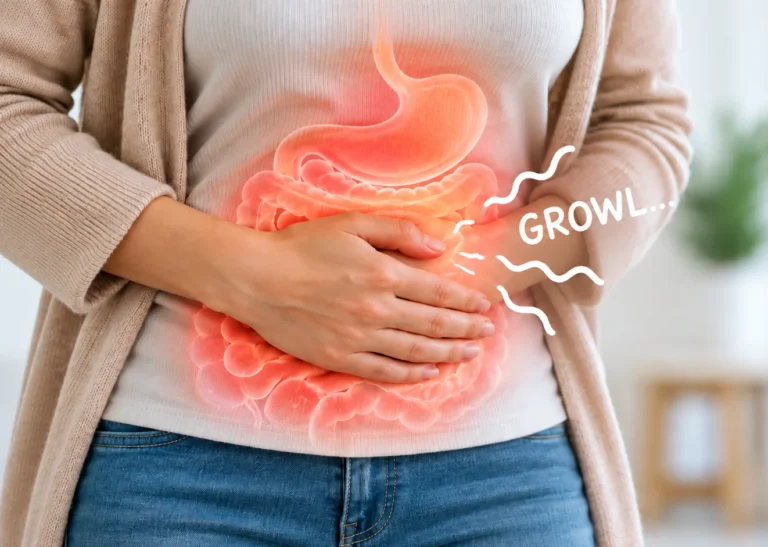
Bacterial fermentation also produces gas, while intestinal muscles move gas and stool forward. That is why odor, flatulence and digestive sounds often change together. The article on why your stomach growls explains the movement behind those noises.
The quick answer
| What you notice | Possible explanation | What matters most |
| Familiar unpleasant odor | Normal bacterial by-products | Usually normal |
| Short-lived change | A diet or routine change | Watch whether it settles |
| Loose stool with cramps or fever | Diarrhea or infection may be involved | Other symptoms matter more than odor |
| Greasy, floating stool with weight loss | Poor digestion or absorption may be involved | Discuss with a clinician |
| Black, tarry, foul-smelling stool or visible blood | Bleeding is possible | Seek prompt medical care |
Odor alone cannot diagnose an infection, food intolerance or digestive disease.
Why does poop smell so bad sometimes
If your poop really stinks more than usual for a day or two, the explanation is often ordinary. What makes poop smell changes whenever the material reaching the colon or the way bacteria process it changes.
- Diet changes can alter the mix of compounds in stool. Different amounts of protein, fat, fiber and poorly digested carbohydrates give gut bacteria different raw materials.
- Diarrhea changes transit time and water content. Infection, a medication or a food intolerance may also change the bacterial and chemical mixture.
- Poor fat digestion or absorption can produce loose, greasy, bulky and bad-smelling stool, especially when the pattern continues or weight loss occurs.
- Blood that is digested higher in the gastrointestinal tract can produce black, tarry stool with a strong odor. This is different from a routine change in smell and needs prompt medical attention.
Poop odor cannot prove that a particular meal was contaminated. Safe storage and handling are better guides. See the practical articles on fried rice syndrome, how long ground beef lasts in the fridge and why washing raw chicken is discouraged for the food-safety steps that actually reduce risk.
What does the smell of your poop mean
Usually, not much by itself. Smell is subjective, and descriptions such as musty, sweet, sour or fishy do not map neatly to one disease. What does it mean when your stool smells really bad? The useful clues are how long the change lasts and whether the stool also becomes loose, greasy, pale, black or bloody, or comes with pain, fever or weight loss.
A distinctive sick poop smell is not a reliable home test for an infection. In a controlled study, nurses could not accurately identify Clostridioides difficile by stool odor alone. Laboratory testing and symptoms are more informative than a smell description.
The same caution applies when poop is smelling weird after a new food, supplement or medicine. A short-lived change with otherwise normal bowel habits is usually less concerning than a persistent change accompanied by other symptoms.
What causes smelly feces
An intestinal infection can change both stool consistency and odor. The CDC lists diarrhea, gas, cramps and smelly, greasy stool that may float among common symptoms of Giardia infection. Those features together are more meaningful than smell alone.
Persistent greasy, bulky or hard-to-flush stool can also reflect malabsorption, meaning nutrients are not being digested or absorbed normally. The NIDDK includes loose, greasy, bad-smelling stools among possible symptoms of celiac disease and exocrine pancreatic insufficiency. Neither condition can be diagnosed from odor; clinicians consider the full symptom pattern and may order tests.
Black, tarry stool with a foul smell may indicate bleeding in the upper digestive tract. MedlinePlus advises prompt medical care for black or bloody stool, especially with dizziness, weakness or vomiting blood.
Contact a health professional if a strong new odor persists or occurs with repeated diarrhea, dehydration, fever, significant abdominal pain, unexplained weight loss, pale or greasy stool, black stool or visible blood. Seek urgent care for heavy bleeding, vomiting blood, fainting or severe weakness.
Can you make poop smell less
There is no need to deodorize normal stool. If the change is bothersome, focus on the pattern instead of trying to cover the smell:
- Think back to recent diet, supplement or medicine changes and note whether the odor settles after a few bowel movements.
- If diarrhea is present, replace fluids and seek advice if it is severe, persistent or accompanied by fever, blood, pain or dehydration.
- Do not remove broad food groups based on odor alone. Recurring symptoms may need a structured medical or dietetic assessment.
- Use safe food storage and hygiene to prevent foodborne illness; the smell of food or stool cannot confirm that it is safe.
Frequently asked questions
Is poop supposed to smell?
Yes. Normal stool has an unpleasant odor because gut bacteria produce volatile chemicals during digestion. What matters is whether the smell is familiar for you and whether other symptoms appear.
Why does poop stink more after some meals?
A meal changes what reaches the colon and what gut bacteria have available to ferment. That can shift sulfur compounds and other VOCs for a short time. The same food will not affect everyone in the same way.
What does a musty poop smell mean?
A musty poop smell is not a recognized diagnosis. Pay attention to persistence and to stool color, consistency, pain, diarrhea, fever, weight loss or blood rather than relying on the odor label.
Can a sick poop smell identify an infection?
No. Some infections change feces smell, but people cannot reliably identify the cause by odor. Symptoms, exposure history and laboratory tests are needed when an infection is suspected.
The verdict
Why does poop smell? Bacteria and digestion create a complex mixture of volatile chemicals, with sulfur compounds making an important contribution. Normal poop is supposed to smell, and day-to-day variation is common. MedlinePlus notes that diet changes are a frequent explanation, although unusually foul stool can accompany infection, malabsorption or bleeding.
The odor alone is a weak clue. A persistent change paired with greasy or black stool, blood, fever, pain, ongoing diarrhea or weight loss deserves medical attention.
References
- Moore JG, Jessop LD, Osborne DN. Gas-chromatographic and mass-spectrometric analysis of the odor of human feces. Gastroenterology. 1987;93(6):1321-1329. https://pubmed.ncbi.nlm.nih.gov/3678751/
- Garner CE, Smith S, de Lacy Costello B, et al. Volatile organic compounds from feces and their potential for diagnosis of gastrointestinal disease. FASEB Journal. 2007;21(8):1675-1688. https://pubmed.ncbi.nlm.nih.gov/17314143/
- MedlinePlus Medical Encyclopedia. Stools – Foul Smelling. https://medlineplus.gov/ency/article/003132.htm
- Rao K, Berland D, Young C, et al. The Nose Knows Not: Poor Predictive Value of Stool Sample Odor for Detection of Clostridium difficile. Clinical Infectious Diseases. 2013;56(4):615-616. https://pubmed.ncbi.nlm.nih.gov/23166192/
- Centers for Disease Control and Prevention. Symptoms of Giardia Infection. https://www.cdc.gov/giardia/signs-symptoms/index.html
- National Institute of Diabetes and Digestive and Kidney Diseases. Symptoms and Causes of Celiac Disease. https://www.niddk.nih.gov/health-information/digestive-diseases/celiac-disease/symptoms-causes
- National Institute of Diabetes and Digestive and Kidney Diseases. Symptoms and Causes for Exocrine Pancreatic Insufficiency. https://www.niddk.nih.gov/health-information/digestive-diseases/exocrine-pancreatic-insufficiency/symptoms-causes
- MedlinePlus Medical Encyclopedia. Black or Tarry Stools. https://medlineplus.gov/ency/article/003130.htm