About The Lady Nature
Somewhere between the press release and the panic, science reporting loses the plot. A mouse study becomes a miracle food. A petri dish becomes proof your dinner is poisoning you. What’s left is a verdict — usually a scary one, because scary travels.
The Lady Nature does the opposite. We take the questions people actually google at 11pm — are seed oils bad for you? is it safe to reheat rice? do antioxidant supplements do anything? — and answer them from the actual evidence, with the reasoning shown so you can check it.
That means we tell you what kind of study found something, in whom, compared with what. We give you absolute numbers instead of headline percentages. We take popular claims seriously instead of mocking them. And when the honest answer is “nobody knows yet,” we say that, because a made-up certainty is worse than a real question mark.
The full machinery is on our Editorial Standards page. It’s short. We checked.
Who’s behind it
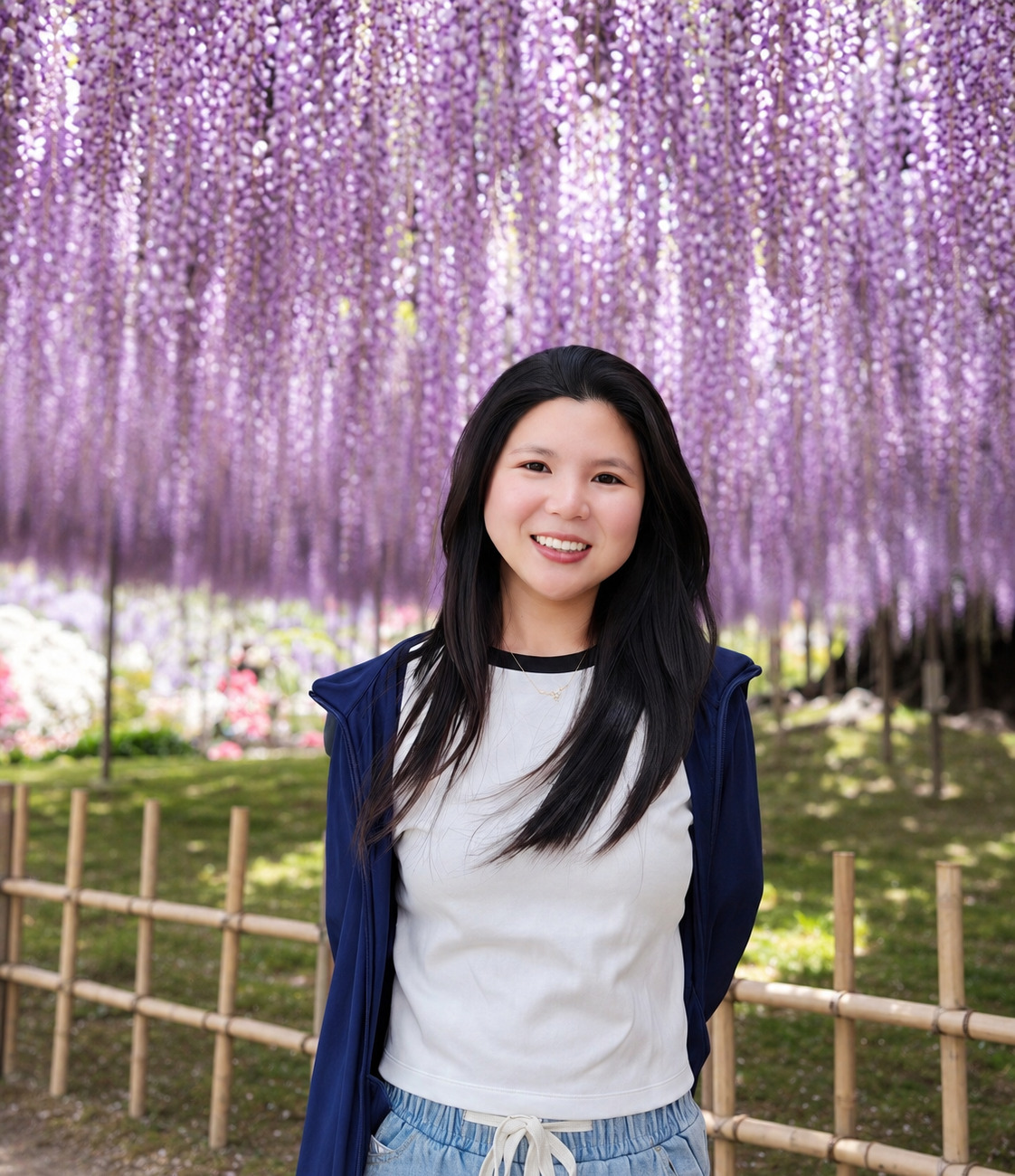
Hi — I’m Dina Sabella, a food technologist turned science writer.
Before writing about food, I made it. I hold an MSc in Food Science and Nutrition and a BSc in Biotechnology, led industrial R&D where I took 25+ products from bench-top formula to supermarket shelf, and worked in quality assurance, where my job was making sure the safety data could survive an audit. Earlier, I worked at the lab bench itself — microbiology, cell culture, and the HPLC, PCR, and ELISA assays that studies casually mention in their methods sections. I’ve even published peer-reviewed research on an anti-inflammatory plant extract, so I know firsthand what a mechanistic study can show — and what it can’t.
In short: when this site says a cell study isn’t a human outcome, I’ve stood on the laboratory side of that gap. I know how wide it is.
The Lady Nature is the site I wished existed every time I watched a careful finding turn into a frightening headline. Science is more interesting than the myths about it. We’re here to prove that, one question at a time.