Does Flour Expire? What Actually Happens to Old Flour
Does flour expire? It can lose quality or spoil, but the printed date is usually a best-by date rather than an automatic safety cutoff. Flour lasts longest when it stays sealed, cool and dry.
Can flour expire or lose quality?
Yes. White flour usually loses freshness before it becomes visibly spoiled, while whole-wheat flour can turn rancid sooner because it retains more natural oils. Discard flour that smells sour or paint-like, contains insects, or shows dampness or mold.
What a flour expiration date actually means
A flour expiration date is usually a best-by or best-if-used-by date, not an automatic safety cutoff. Flour expiry wording varies by brand, but the date usually refers to peak quality. USDA food-dating guidance explains that, except for infant formula, federal rules generally do not require food date labels and manufacturers commonly use them to indicate peak quality.
The date therefore answers a quality question, while storage conditions answer the practical one. A sealed bag kept cool and dry may outlast its printed date; an opened bag above a warm oven may deteriorate early. This is similar to the distinction described in does honey expire, although flour is more vulnerable to moisture, insects and oxidation.
What happens when flour expires?
Old flour changes in several ways. It can absorb humidity and odors, lose fresh wheat flavor and develop compacted lumps. Pantry moths or flour beetles may leave larvae, webbing or tiny insects in the bag. If moisture reaches the flour, mold can grow; do not scoop away one spot and keep the rest.
Oxidation is the main concern in whole-grain and other higher-fat flours. Oxygen breaks down their natural oils and creates rancid flavors. The chemistry is related to the oxidation discussed in are seed oils bad for you, but here the useful takeaway is simple: airtight, cold storage slows the process.
Self-rising flour has another limitation: it contains baking powder. As that leavening loses strength, biscuits and cakes may rise poorly even when the flour has no obvious spoilage. A disappointing bake can therefore be a quality failure rather than evidence of food poisoning.
How to tell if flour has gone bad
Check the bag and the flour before adding it to a recipe. Discard it if you notice:
- A sour, musty, bitter, waxy or paint-like odor instead of a neutral grain smell.
- Visible mold, unusual discoloration, damp patches or hard clumps caused by moisture.
- Live insects, larvae, webbing or holes in the package.
- A storage history involving flooding, pests or an unsealed container near strong chemicals or odors.
Do not taste raw flour as a freshness test. Smell and appearance can reveal spoilage but cannot prove that flour is free of harmful germs—the same reason a sniff test cannot establish whether refrigerated ground beef is safe.
Can you use expired flour for baking?
Often, yes. So, does flour expire on one fixed schedule? No. Flour past its best-by date may still work if it stayed dry and sealed and shows no spoilage or pest damage. Test it in a small recipe before using a large amount in an important bake.
For self-rising flour, an old leavening component may produce a dense result. For whole-wheat flour, be stricter about rancid aromas. If you cannot tell how the bag was stored, replacement is inexpensive compared with wasting the other ingredients.
Can all purpose flour go bad?
Yes. Does bread flour go bad too? It can. All-purpose and bread flour are both refined wheat flours, so their storage behavior is broadly similar. Protein content affects how they bake, but the package, temperature, humidity and exposure to air matter more.
University of Nebraska-Lincoln’s home food-storage chart lists white flour at 6 to 12 months unopened or 6 to 8 months opened in the pantry. It lists whole-wheat flour at 3 to 6 months in the pantry and 6 to 8 months refrigerated. Treat those figures as best-quality estimates, not permission to ignore spoilage signs.
Raw flour is not ready to eat
Freshness and microbial safety are separate issues. Flour is a raw agricultural product and is not ordinarily treated to kill every germ. The FDA advises against eating raw dough or batter, and the CDC notes that raw flour can contain E. coli or Salmonella. Baking or cooking is the step that makes flour-based foods safer.
Wash bowls, utensils, counters and hands after they contact raw dough, and keep flour from spreading to ready-to-eat foods. If several people become sick after sharing a food, the article on food poisoning vs stomach bug outlines the clues that can help distinguish a common exposure from a contagious illness.
How to store flour so it lasts longer
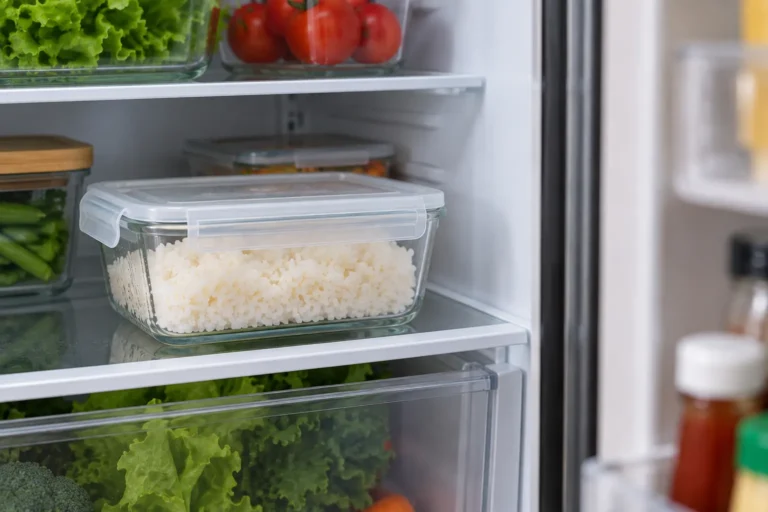
- Transfer an opened bag to a clean, airtight food-grade container and label it with the type and opening date.
- Keep white flour in a cool, dark, dry cupboard away from the oven, dishwasher and sunlight.
- Refrigerate or freeze whole-wheat flour and other higher-fat flours to slow rancidity.
- Let a closed container of cold flour reach room temperature before opening it so condensation does not wet the flour.
- Buy amounts you will use, rotate older packages forward and inspect nearby dry goods if you find pantry pests.
Frequently asked questions
Can I use out of date flour?
Possibly. There is no single answer to how long is flour good after the expiration date because storage conditions differ. Inspect the flour and discard it if it smells rancid or shows moisture, mold or pests.
Does flour expire if unopened?
Yes, although an intact package protects it from moisture, odors and pests. Follow the package date, inspect the flour after opening and consider how it was stored.
Does whole-wheat flour expire?
Yes. Whole-wheat flour usually deteriorates faster than refined white flour because the germ contains natural oils. Refrigeration or freezing in an airtight container helps preserve quality.
Can expired flour make you sick?
Flour contaminated by moisture, mold, pests or chemicals should not be used. Even fresh flour should not be eaten raw because it may carry harmful bacteria; cook or bake recipes thoroughly.
Can flour be frozen?
Yes. Seal it tightly to prevent moisture and odors, then bring the closed container to room temperature before opening. Freezing is especially helpful for whole-grain flour that you use slowly.
The verdict
Does flour expire? It eventually loses quality and can become rancid, damp, moldy or pest-infested, but a printed best-by date is not an automatic discard date. Store flour airtight and cool, keep whole-grain flour colder, reject any suspicious bag and never use raw taste as a safety test.
References
- USDA Food Safety and Inspection Service. Food Product Dating. https://www.usda.gov/sites/default/files/guidance-documents/FSIS.%20Food%20Product%20Dating.pdf
- University of Nebraska-Lincoln Extension. Home Food Storage. https://food.unl.edu/free-resource/food-storage/
- Penn State Extension. Storing Staple Ingredients in the Kitchen. https://extension.psu.edu/storing-staple-ingredients-in-the-kitchen
- U.S. Food and Drug Administration. Handling Flour Safely: What You Need to Know. https://www.fda.gov/food/buy-store-serve-safe-food/handling-flour-safely-what-you-need-know
- Centers for Disease Control and Prevention. Raw Flour and Dough. https://www.cdc.gov/food-safety/foods/no-raw-dough.html