Norovirus Timeline: From Exposure to Recovery
Norovirus is a leading cause of acute gastroenteritis, commonly known as the stomach bug or stomach flu. It typically causes sudden vomiting, diarrhea, nausea, and stomach cramps. But how long does norovirus last?
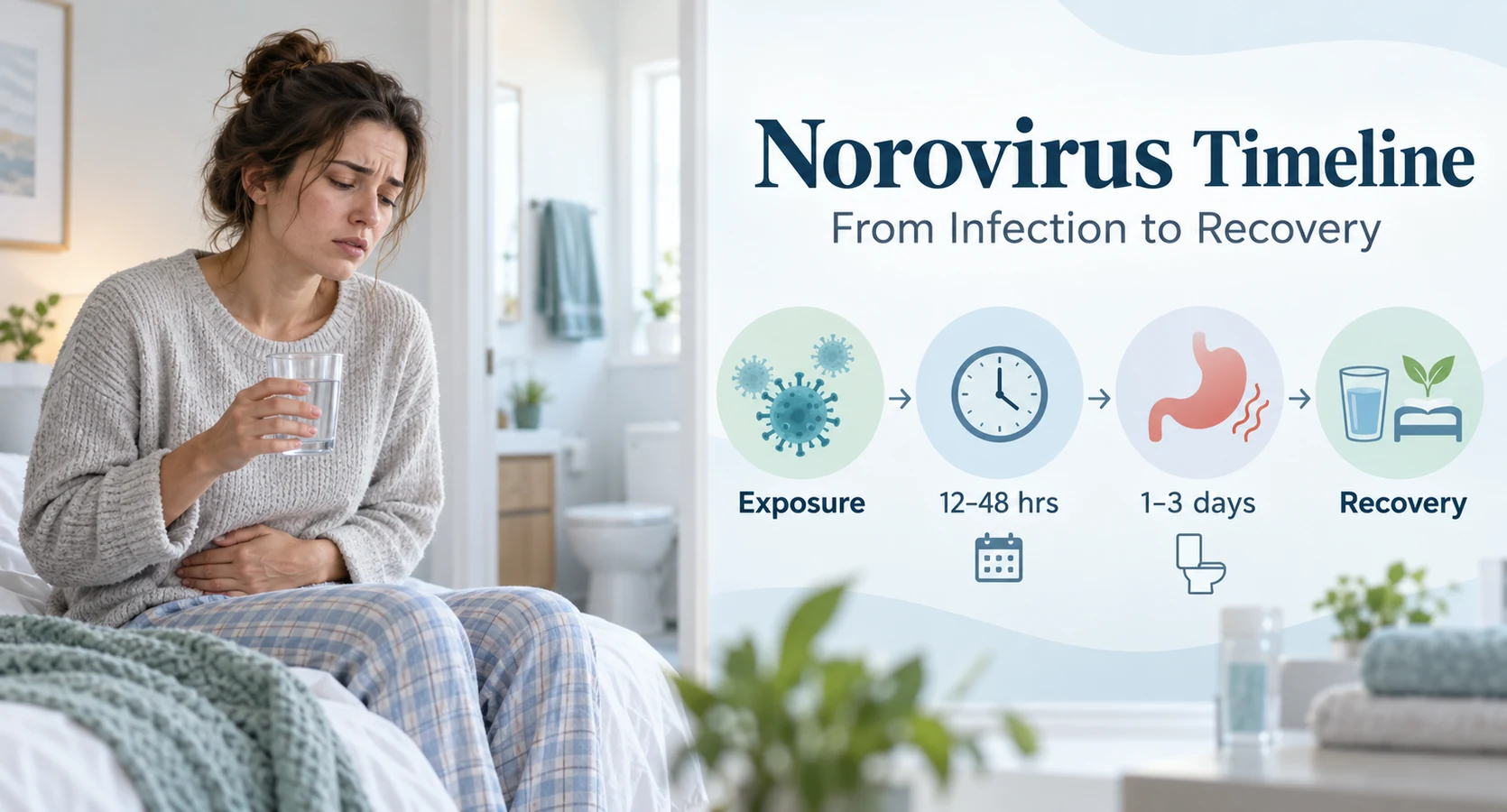
Most people recover within 1–3 days after symptoms begin, although the infection follows a longer timeline. Symptoms usually appear 12–48 hours after exposure, and the virus can continue to spread even after recovery. Understanding this timeline can help you manage symptoms and reduce the risk of transmission.
What is norovirus?
Norovirus is a highly contagious virus and one of the leading causes of acute gastroenteritis, commonly known as the stomach bug or stomach flu. Despite its nickname, it is unrelated to influenza, which affects the respiratory system.
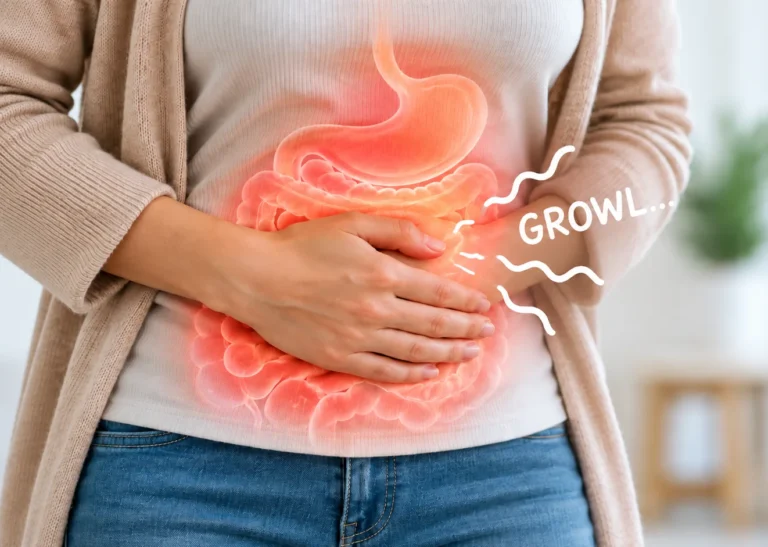
Norovirus infects the digestive tract, often causing sudden nausea, vomiting, watery diarrhea, and abdominal cramps. It spreads easily through contaminated food, water, surfaces, or close contact with infected people.
How long does norovirus last?
According to the Centers for Disease Control and Prevention (CDC), most norovirus infections resolve within 1–3 days. However, the overall timeline is longer when the incubation period and continued viral shedding are included.
| Stage | Typical timeline | What happens |
| Exposure | Day 0 | The virus enters the body through contaminated food, water, surfaces, or contact with an infected person. |
| Incubation | 12–48 hours after exposure | The virus replicates before symptoms become noticeable. |
| Active illness | Usually 1–3 days after symptoms begin | Vomiting, watery diarrhea, nausea, and abdominal cramps occur. |
| Early recovery | After symptoms resolve | Symptoms improve, but the person may still be contagious. |
| Continued viral shedding | 2 weeks or more after recovery | The virus may remain in stool, allowing further transmission. |
These periods are approximate. Some people recover sooner, while children, older adults, and people with weakened immune systems may experience more severe or prolonged illness.
Stage 1: Exposure and the incubation period
Norovirus spreads through the fecal–oral route, meaning that microscopic particles of infected stool or vomit enter another person’s mouth. Transmission can occur through contaminated food or water, direct contact, or touching contaminated surfaces before eating.
Only a small number of viral particles may be enough to cause infection. This helps explain why norovirus spreads rapidly in households, schools, nursing homes, and other shared environments. Because the exposure is often invisible, people may not realize they were infected at a shared meal or gathering until several others begin feeling unwell.
Once inside the body, the virus infects cells in the small intestine and begins replicating. During the norovirus incubation period, which typically lasts 12–48 hours, most people have no noticeable symptoms.
However, the CDC notes that viral particles may already be present in stool or vomit before symptoms develop, meaning transmission can begin before someone realizes they are infected.
Stage 2: The first signs of norovirus
Norovirus symptoms often begin suddenly, with someone feeling well before developing intense nausea, vomiting, or diarrhea within a short period.
Common symptoms include:
- Nausea and vomiting
- Watery, usually non-bloody diarrhea
- Abdominal pain or cramps
- Low-grade fever, headache, or body aches
Vomiting is particularly characteristic of norovirus, which is sometimes called the winter vomiting bug. However, not everyone experiences vomiting, and some people may have mainly diarrhea and stomach cramps.
Norovirus causes inflammation and disrupts normal intestinal function, contributing to diarrhea and fluid loss. Repeated vomiting and diarrhea can then lead to dehydration, which is often the main concern during the illness. During the infection, the intestine may absorb less fluid than usual, leaving more water in the stool. Vomiting can make the fluid loss harder to replace, especially when even small drinks trigger nausea.
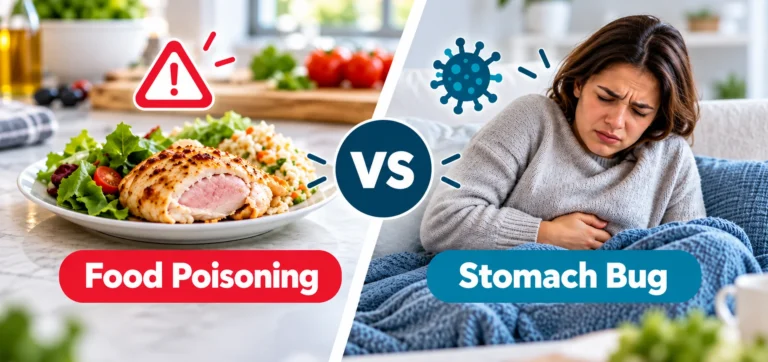
These symptoms overlap with several foodborne infections. The article on food poisoning vs stomach bug explains how symptom timing, recent exposures, and patterns of transmission may help distinguish them.
Stage 3: Active illness and symptom duration
For most people, the most intense symptoms occur during the first 24–48 hours of illness. Frequent vomiting and diarrhea can make it difficult to eat, drink, or carry out normal activities. Symptoms may also come in repeated episodes rather than remaining constant throughout the day.
Norovirus is usually self-limiting, meaning the infection resolves without specific antiviral treatment. According to the CDC’s clinical guidance, most patients recover within 1–3 days.
Vomiting often improves first, while diarrhea or reduced appetite may continue for somewhat longer. Fatigue and weakness can also persist as the body replaces lost fluids and returns to normal eating. Recovery is not always a sudden return to normal. Someone may be able to keep fluids down again but still need another day to regain their appetite and energy.
However, symptoms lasting longer than expected should not automatically be attributed to norovirus. Other viral, bacterial, and parasitic infections can cause similar symptoms but follow different timelines.
Stage 4: Recovery and treatment
There is no specific cure for norovirus. Treatment focuses on preventing dehydration and supporting the body while the immune system clears the infection. Antibiotics are ineffective because norovirus is caused by a virus rather than bacteria. Because there is no medication that directly eliminates the infection, monitoring fluid intake and watching for dehydration are more useful than trying to stop every symptom immediately.
Replacing fluids and electrolytes
Vomiting and diarrhea cause the body to lose water and electrolytes, including sodium and potassium. Mild dehydration may improve with increased fluid intake, but more substantial losses require appropriate electrolyte replacement.
The National Institute of Diabetes and Digestive and Kidney Diseases (NIDDK) recommends:
- Taking small, frequent sips of fluids when vomiting makes drinking difficult.
- Using an oral rehydration solution, such as Pedialyte, to replace fluids and electrolytes, particularly for children or people at higher risk of dehydration.
- Seeking medical attention if vomiting prevents adequate fluid intake or signs of dehydration develop.
Sports drinks may help with mild fluid losses, but they are not formulated to replace electrolytes as precisely as oral rehydration solutions.
Returning to normal food
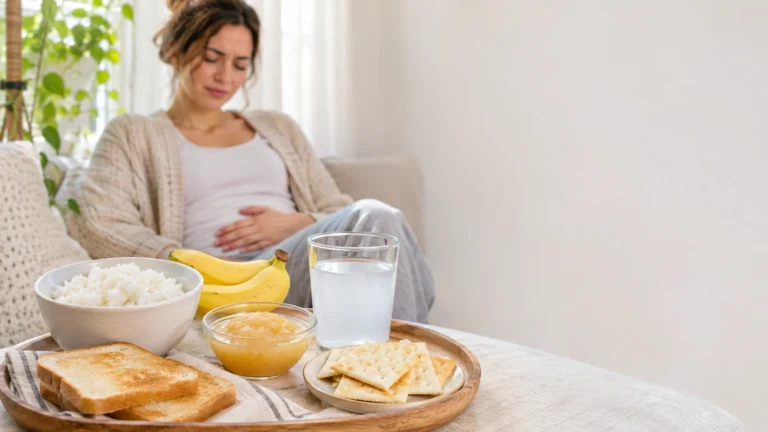
Appetite often improves as vomiting subsides. Foods such as rice, toast, potatoes, and soup may be easier to tolerate initially, but a strict bland diet is generally unnecessary. Start with small amounts if eating feels difficult and increase portions as tolerated. Getting enough fluids matters more than following a particular list of permitted foods.
According to the NIDDK’s dietary guidance, most people can gradually return to their normal diet as appetite returns, even if mild diarrhea persists.
Some foods and drinks, particularly those high in fat, caffeine, or added sugars, may temporarily worsen diarrhea. Some people also develop short-term lactose intolerance following viral gastroenteritis.
Stage 5: Contagiousness after recovery
Feeling better does not mean norovirus has completely disappeared from the body. According to the CDC, people are most contagious while experiencing symptoms, particularly vomiting, and during the first few days after recovery.
However, norovirus can continue to be shed in stool for two weeks or longer after symptoms resolve. Viral shedding means that viral particles continue to leave the body, potentially allowing transmission even when someone feels healthy.
For this reason, the CDC recommends staying home and avoiding food preparation or caring for others until at least 48 hours after symptoms stop. This is particularly important for food handlers, healthcare workers, and people working in childcare or aged care.
The 48-hour period reduces the risk of transmission, but it does not mean that every viral particle has been eliminated. Good hygiene remains important after returning to normal activities. In practice, returning to work or school is one milestone; continuing careful handwashing afterward is another. Both matter for protecting people nearby.
Preventing norovirus from spreading
Norovirus is particularly difficult to control because it spreads easily and can persist on contaminated surfaces. It is also a non-enveloped virus, meaning it lacks the outer lipid membrane found in some other viruses, contributing to its environmental resilience.
The CDC’s prevention guidance recommends several measures:
- Wash hands with soap and water. Scrub for at least 20 seconds, especially after using the bathroom and before handling food. Alcohol-based hand sanitizer alone does not work well against norovirus.
- Disinfect contaminated surfaces. Clean areas exposed to vomit or diarrhea and use an appropriate bleach solution or an EPA-registered disinfectant effective against norovirus, following product instructions.
- Handle contaminated laundry carefully. Avoid shaking soiled clothing or bedding, wash with detergent using hot water, and dry thoroughly.
- Avoid preparing food for others while sick. Wait at least 48 hours after symptoms have stopped before resuming food-handling activities.
When to seek medical attention
Most norovirus infections resolve without complications, but repeated vomiting and diarrhea can cause significant dehydration.
Seek medical advice if you experience:
- Vomiting that prevents you from keeping fluids down
- Very little urination, persistent dizziness, or marked weakness
- Blood in the stool or vomit
- Severe abdominal pain or a high fever
- Diarrhea lasting more than three days or symptoms that are worsening
Infants, young children, older adults, and people with weakened immune systems or significant underlying health conditions may need medical attention sooner.
Severe dehydration, confusion, fainting, or unusual difficulty waking requires urgent medical assessment. Young children may show dehydration through fewer wet diapers, few or no tears, or unusual sleepiness.
Frequently asked questions
How long does norovirus last in adults?
Most adults recover within 1–3 days after symptoms begin. However, weakness or digestive discomfort may persist somewhat longer, particularly following significant fluid loss. Persistent or worsening symptoms should be medically assessed.
Can you have norovirus without vomiting?
Yes. Although vomiting is a common symptom, some people experience mainly watery diarrhea, nausea, or abdominal cramps. Symptoms alone cannot confirm norovirus because other gastrointestinal infections may cause similar illness.
Is norovirus airborne?
Norovirus is not primarily transmitted like airborne respiratory infections such as measles. However, vomiting can release small droplets containing viral particles, which may land on nearby surfaces, contaminate food, or enter another person’s mouth.
How long does norovirus last on surfaces?
Norovirus can remain on contaminated surfaces for days to weeks or longer, depending on environmental conditions. This is why ordinary cleaning may be insufficient and disinfectants proven effective against norovirus are recommended.
Can you get norovirus twice?
Yes. There are multiple types of norovirus, and infection with one type does not necessarily provide protection against others. Immunity may also decline over time, making repeated infections possible.
Does norovirus always last 24 hours?
No. Although some people experience a brief illness lasting around 24 hours, the typical duration is 1–3 days. The term 24-hour stomach bug is informal and does not specifically identify norovirus.
The verdict
Norovirus usually causes a short but intense illness, with symptoms beginning 12–48 hours after exposure and resolving within 1–3 days. However, the infection’s timeline extends beyond symptom recovery because viral shedding can continue for two weeks or longer.
Staying hydrated is the main priority during illness, while proper handwashing, disinfection, and avoiding food preparation for at least 48 hours after symptoms stop help reduce transmission.
References
- Centers for Disease Control and Prevention. About Norovirus. https://www.cdc.gov/norovirus/about/index.html
- Centers for Disease Control and Prevention. How Norovirus Spreads. https://www.cdc.gov/norovirus/causes/index.html
- Centers for Disease Control and Prevention. How to Prevent Norovirus. https://www.cdc.gov/norovirus/prevention/index.html
- Centers for Disease Control and Prevention. Norovirus — CDC Yellow Book 2026. https://www.cdc.gov/yellow-book/hcp/travel-associated-infections-diseases/norovirus.html
- National Institute of Diabetes and Digestive and Kidney Diseases. Symptoms & Causes of Viral Gastroenteritis. https://www.niddk.nih.gov/health-information/digestive-diseases/viral-gastroenteritis/symptoms-causes
- National Institute of Diabetes and Digestive and Kidney Diseases. Treatment of Viral Gastroenteritis. https://www.niddk.nih.gov/health-information/digestive-diseases/viral-gastroenteritis/treatment
- National Institute of Diabetes and Digestive and Kidney Diseases. Eating, Diet, & Nutrition for Viral Gastroenteritis. https://www.niddk.nih.gov/health-information/digestive-diseases/viral-gastroenteritis/eating-diet-nutrition
- U.S. Environmental Protection Agency. Registered Antimicrobial Products Effective Against Norovirus (List G). https://www.epa.gov/pesticide-registration/epas-registered-antimicrobial-products-effective-against-norovirus-feline