Egg Freshness: What the Float Test Really Tells You
Found a carton of eggs at the back of the fridge and wondering whether they’re still good? Knowing how to tell if eggs are bad isn’t always straightforward. The popular egg float test can give you an idea of their age, but it cannot reliably tell whether they’re safe to eat.
A better approach is to consider how the eggs have been stored, check for signs of spoilage, and understand what freshness tests actually measure. Here’s what to look for before cracking your next egg.
How to tell if eggs are bad
The best way to check eggs is to combine their storage history with a few simple observations. No single test can guarantee that an egg is safe, but these checks can help identify eggs that should be discarded.
- Check the shell. Discard eggs with cracked or leaking shells, since damage can allow bacteria to enter. A clean, intact shell is preferable, although it does not guarantee safety.
- Check how they’ve been stored. Eggs should remain refrigerated at 40°F (4°C) or below. If refrigerated eggs were left at room temperature for more than two hours, discard them.
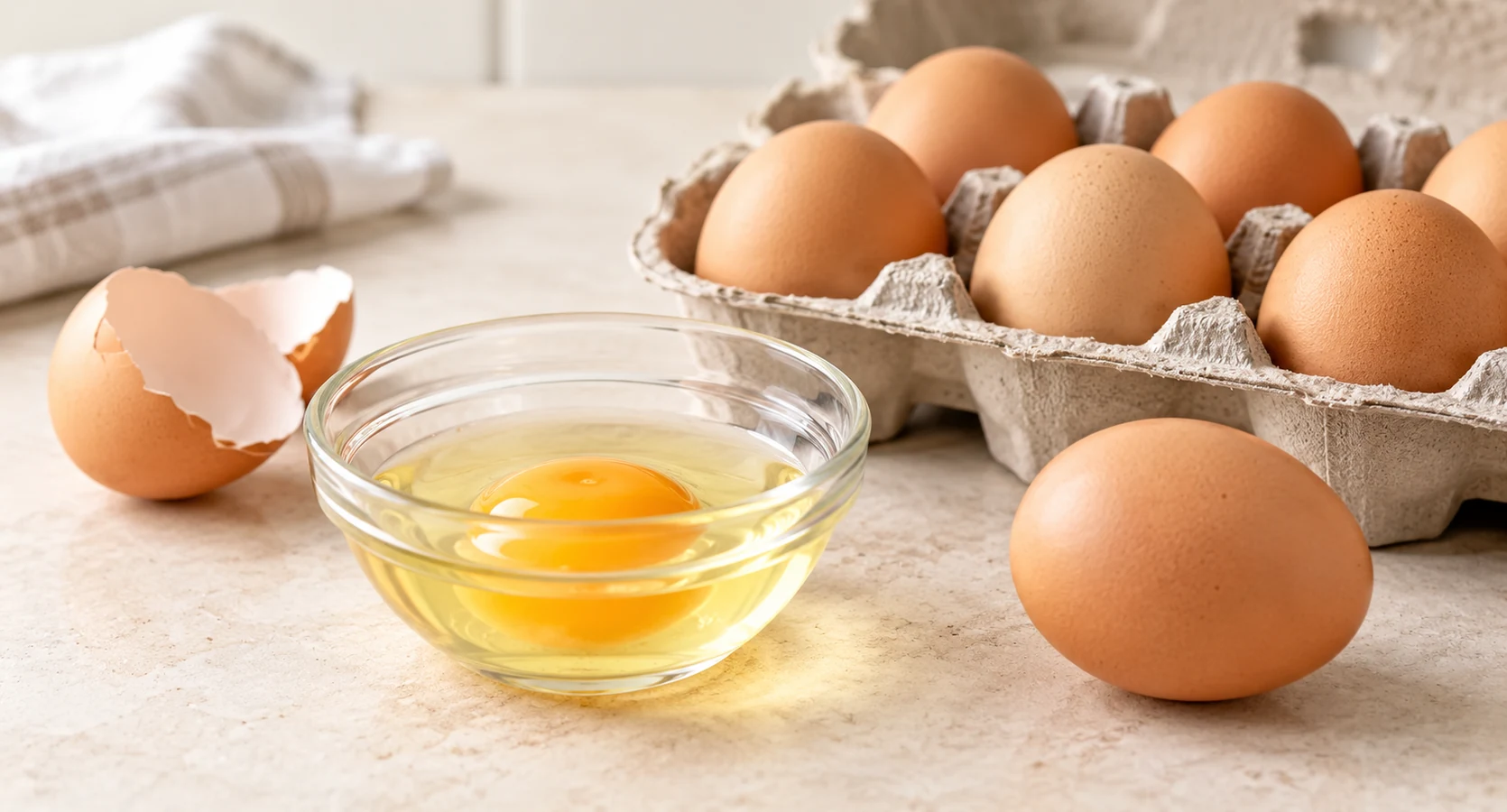
- Crack each questionable egg into a separate bowl. Check for an unpleasant odor or unusual discoloration before adding it to other ingredients.
A spoiled egg often develops a noticeable smell or abnormal appearance. However, harmful bacteria such as Salmonella may be present without producing either sign. This is why proper storage and cooking matter even when eggs appear normal.
Egg float test: What does it tell you?
The egg float test is a simple way to estimate freshness without breaking the shell. Fill a bowl with cold water, gently lower an uncooked egg into it, and observe whether it sinks or floats.
| Egg position | What it means |
| Sinks and lies flat | Usually fresh, with a small internal air pocket. |
| Sinks but stands upright | Older, but not necessarily spoiled. |
| Floats to the surface | Considerably older, with a larger air pocket. |
The test works because eggshells contain tiny pores that allow moisture and gases to pass through. As an egg ages, it gradually loses moisture, and the air cell at its wider end expands. This makes the egg more buoyant, causing it to tilt upward or eventually float.
According to the USDA, a floating egg is generally older and of lower quality, but it may still be safe to use. The important distinction is that the float test measures freshness, not bacterial contamination.
An egg that floats is not automatically rotten, just as an egg that sinks is not guaranteed to be safe. Always consider its storage history and check for spoilage after cracking it open.
What does a bad egg look like when cracked?
Cracking an egg into a separate bowl lets you examine its contents before using it. Some changes indicate spoilage, while others simply reflect normal aging.
Unpleasant odor
A rotten egg often releases a strong, sulfur-like smell when cracked. This is a clear reason to discard it. Do not taste an egg to determine whether it has spoiled.
Pink or iridescent egg white
An egg white with a pinkish or iridescent appearance can indicate bacterial spoilage. The USDA specifically associates these changes with Pseudomonas bacteria, some of which can be harmful.
Watery egg white or flattened yolk
Fresh eggs generally have thicker whites and rounded yolks. As an egg ages, its white becomes thinner and spreads more easily, while the yolk may flatten. These changes indicate declining freshness, not necessarily spoilage. A cloudy egg white, in contrast, is usually a sign of a very fresh egg.
Blood spots and other color changes
A small blood spot on the yolk is usually harmless. It forms when a tiny blood vessel ruptures during egg formation and does not, by itself, indicate spoilage.
Similarly, a greenish ring around the yolk of a hard-boiled egg usually results from a reaction between sulfur and iron during cooking. It is not a sign that the egg has gone bad.
The key is to distinguish ordinary changes in quality from unusual odors, discoloration, or visible contamination. When an egg looks suspicious or its storage history is uncertain, discarding it is the safer choice.
How long do eggs stay good in the fridge?
Even eggs that look and smell normal have a recommended storage window. According to FoodSafety.gov, raw eggs in their shells can be kept in the refrigerator for 3 to 5 weeks at 40°F (4°C) or below. The FDA recommends using them within 3 weeks for best quality.
Different egg products have shorter storage times:
| Type of egg | Refrigerator storage |
| Raw eggs in shell | 3–5 weeks |
| Raw egg whites or yolks, separated | 2–4 days |
| Hard-boiled eggs, peeled or unpeeled | 1 week |
| Leftover cooked egg dishes | 3–4 days |
These times assume the eggs were handled properly and refrigerated promptly. Refrigeration slows bacterial growth but does not reverse spoilage or eliminate bacteria already present.
For best results, keep eggs in their original carton on an interior refrigerator shelf rather than in the door, where temperatures fluctuate more often.
Do eggs expire after the date on the carton?
The date printed on an egg carton does not always indicate when the eggs become unsafe. Labels such as “Sell By” and “Best if Used By” generally relate to inventory management or product quality rather than a precise safety deadline.
Some cartons also display a three-digit packing code showing when the eggs were washed, graded, and packed. For example, 001 represents January 1, while 365 represents December 31.
An egg may remain usable after a quality date if it has been stored correctly and remains within the recommended refrigerator window. However, the date alone cannot confirm safety.
Instead of relying only on the label or an egg freshness test, consider when the eggs were purchased, how they were refrigerated, and whether they show signs of spoilage.
Can fresh eggs still cause food poisoning?
Yes. Fresh eggs can contain Salmonella, a bacterium that causes foodborne illness, even when their shells are clean and uncracked. Contaminated eggs may look, smell, and taste normal. This makes food safety different from freshness. An egg can be relatively fresh yet contaminated, while an older egg may simply have lost quality.
To reduce the risk of illness, the FDA recommends cooking eggs until both the whites and yolks are firm. Egg dishes, such as casseroles, should reach an internal temperature of 160°F (71°C). Recipes containing raw or undercooked eggs should use pasteurized eggs or egg products.
Salmonella infection can cause diarrhea, fever, and stomach cramps. If you’re experiencing digestive symptoms and aren’t sure of the cause, the guide to food poisoning vs stomach bug explains how symptoms, timing, and exposure can help distinguish them.
Frequently Asked Questions
If an egg floats, is it bad?
Not necessarily. An egg floats when its internal air cell becomes large enough to make it buoyant. This generally indicates an older egg, not definite spoilage. Check its storage history and examine it after cracking. Discard it if anything seems unusual or you’re unsure how it was stored.
Should fresh eggs float or sink?
Fresh eggs generally sink to the bottom of a bowl of water and lie flat. Older eggs may tilt upward, stand on one end, or float as their internal air cells expand. However, sinking does not prove that an egg is free of harmful bacteria.
How can you tell if eggs are still good without the float test?
Check that the shells are intact and the eggs have been refrigerated properly. Crack questionable eggs into a separate bowl and look for an unpleasant odor or unusual discoloration. These checks help identify spoilage but cannot guarantee safety.
Can you eat eggs after the expiration date?
Possibly. A date on the carton is not always a strict safety deadline. Properly refrigerated shell eggs generally keep for 3 to 5 weeks, although the FDA recommends using them within 3 weeks for best quality. Follow the storage guidance and discard any eggs that show signs of spoilage.
How do you know if a hard-boiled egg is bad?
An unpleasant odor, sliminess, or visible mold can indicate spoilage. However, hard-boiled eggs should be eaten within one week of cooking, even if they look normal. A green ring around the yolk alone is usually a harmless effect of cooking.
The Verdict
The most reliable approach to telling whether eggs have gone bad is to check their storage history and look for signs of spoilage. The egg float test can estimate freshness, but it cannot determine whether an egg contains harmful bacteria.
Fresh eggs generally sink, while older eggs may stand upright or float. Neither result guarantees safety. Keep eggs refrigerated at 40°F (4°C) or below, follow the recommended storage times, and discard eggs with damaged shells, unpleasant odors, or unusual discoloration.
References
- USDA Food Safety and Inspection Service. Shell Eggs from Farm to Table. https://www.fsis.usda.gov/food-safety/safe-food-handling-and-preparation/eggs/shell-eggs-farm-table
- USDA Food Safety and Inspection Service. What Does It Mean When an Egg Floats in Water? https://ask.fsis.usda.gov/article/What-does-it-mean-when-an-egg-floats-in-water
- U.S. Food and Drug Administration. What You Need to Know About Egg Safety. https://www.fda.gov/food/buy-store-serve-safe-food/what-you-need-know-about-egg-safety
- FoodSafety.gov. Cold Food Storage Chart. https://www.foodsafety.gov/food-safety-charts/cold-food-storage-charts
- USDA Food Safety and Inspection Service. Food Product Dating. https://www.fsis.usda.gov/food-safety/safe-food-handling-and-preparation/food-safety-basics/food-product-dating
- Centers for Disease Control and Prevention. How Salmonella Infections Happen. https://www.cdc.gov/salmonella/spread/